

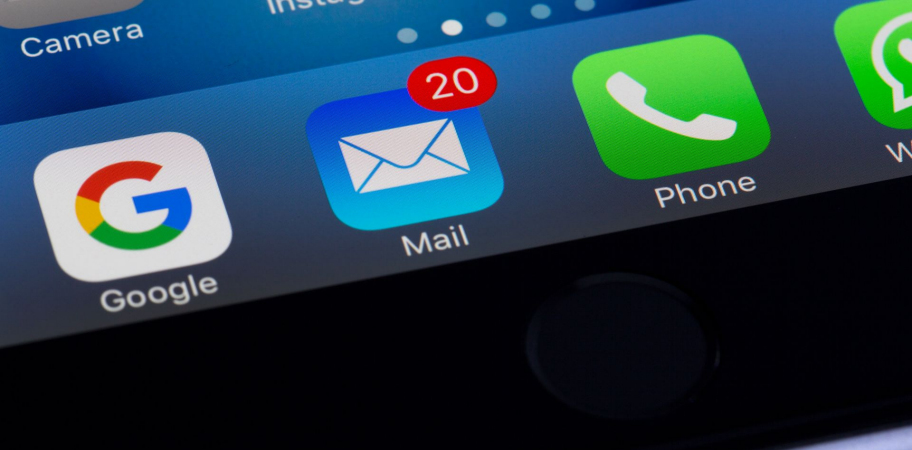
According to Klaviyo, in 2026 the average open rate for email marketing campaigns across all industries is 31%, with the top 10% of performers hitting a 45.1% open rate. Since most recipients will decide whether or not to open and read an email based on the subject line, it's no surprise that a lot of research has gone into which types are most effective.
Your email's subject line will obviously depend on the content/purpose of your email, but there are ways to make it sound as interesting as possible. Here are 5 types of email content and some examples of enticing subject lines:
1. Solution to a Problem
Assuming that your subscribers have voluntarily opted-in to your email list, you are in a perfect position to help them with problems related to the products or services you offer. When you publish new blog or social media content, you can send the full article or a summary (with a link) to your subscribers, with the article title tweaked to make it an enticing email subject. Here are some attention-grabbing examples:
- How To Supercharge Your Marketing Strategy in Just 5 Minutes
- Solve Your Window Condensation Problem With This Tip
- Here's How to Stop Your Dog Pulling On The Lead
2. Money Saving
When a customer is subscribed to the email list of a brand they like, they are often eager to know about money-saving offers, resulting in more sales for you. If the offer is really enticing in itself, you often won't have to work very hard to increase opening rates, but here are some examples of how you can frame simple discounts in a slightly more dramatic way:
- Free Shipping Through October
- Inside: Your 20% Discount Code
- This Fall: 10% Off All Sweaters
3. Personal
Email opening rates have been shown to be higher when emails of any kind are personalized and most website or email marketing systems will allow you to do this (this is a good reason why you should ask for a first name during the email sign-up or customer registration process). And if you have access to other customer data such as date of birth, your system should offer the functionality to allow you to send personalized birthday greetings to your customers, assuming you have the relevant permissions. You could also celebrate the anniversary of them joining your list, or mention details of past purchases or items in their wish list - anything you can use to prove that you know the recipient is useful. Here are some examples:
- Paul, Enjoy Free Shipping Through October
- Happy Birthday, Janet
- Dave, Here's a Birthday Treat For You
- Your One Year Anniversary Is Here!
4. Reverse Psychology
If you tell your email recipients not to do something, evidence shows that they will be more likely to open your email to find out why. Obviously, in this case the email content must correspond to the subject. Here are some examples of enticing subject lines (with the gist of the resulting email content in brackets):
- Don't Purchase New Tyres Now (If you don't want to save money)
- Don't Get Your AC Serviced (If you don't mind it breaking down)
- Don't Buy This Book (If you don't want to learn how to save money on fuel)
5. Social Proof
You can influence people into becoming your customer by demonstrating that their peers trust you and are satisfied with your products or services. If you can present credible proof that your customers are delighted with their purchases, it makes it easier for your email recipients to decide to join them (in the same way that online reviews and testimonials help convert visitors to your website into customers). Even better still would be if you had a testimonial or endorsement from a well-known public figure. Here are some snappy examples of ways to promote your products or services:
- See Our 3 Biggest Sellers of 2026
- Why Our Customers Say They Love This Jacket
- These Snow Boots Are Rated 5/5 By Our Customers
- Why Our Customers Say They Will Never Choose Another Window Cleaner Again
- Here's Why Obama Says He Loves Our Fresh Donuts
Why Some Subject Lines Should Be Used Cautiously
As we have seen, there are plenty of ways to make your email content sound more interesting, but here's a word of warning: Just because an email subject works once or twice, doesn't mean it will continue to work. For example, it has been found that sending money-saving emails too often actually decreases the opening rate - you need to maintain a degree of exclusivity and give the impression that it is a rare enough occurrence not to be missed. Likewise, it's vitally important not to over-use subject lines that employ reverse psychology since your recipients will become immune to it's effects and begin to ignore it.